For centuries, across cultures spanning from the Arabian Peninsula to parts of Africa, the date fruit has been revered not just as a staple food but as a potent aid in promoting a smoother childbirth experience. This enduring practice of consuming dates for moms during the final weeks of pregnancy is rooted in the belief that the fruit acts as a gentle, natural facilitator of labor. In recent years, this traditional knowledge has attracted significant scientific interest, resulting in clinical studies that lend validation to the specific effects dates are believed to have on the crucial phase of labor preparation.
The Primary Effect: Cervical Ripening
The most significant and measurable effect attributed to date consumption in late pregnancy is the promotion of cervical ripening. The cervix must soften, thin out (efface), and dilate (open) for vaginal delivery to occur. If the cervix is not “ripe,” medical interventions like induction may be necessary.
Natural Uterine Conditioning
Dates are believed to contain compounds, including certain phytohormones, that either possess an oxytocin-like effect or enhance the sensitivity of the uterine muscle (myometrium) to the mother’s natural oxytocin. Oxytocin is the hormone responsible for initiating contractions and causing cervical change. By sensitizing the uterus and promoting prostaglandin-like activity, dates help the cervix mature more rapidly. Clinical data suggests that women who consumed a specific number of dates daily in the final month of pregnancy were significantly more likely to:
- Experience Spontaneous Labor: They were less likely to require medical induction.
- Achieve Favorable Cervical Dilation: They often presented to the labor ward with a higher Bishop Score (a measurement of cervical readiness), indicating that the cervix was already more dilated and effaced.
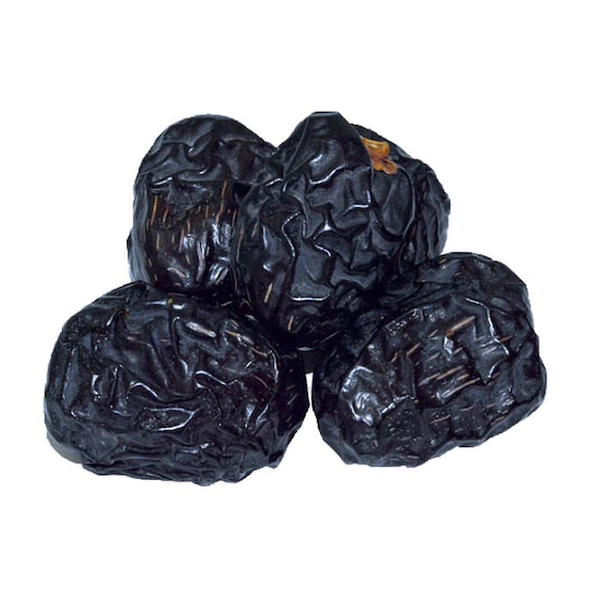
The consistent energy and nutritional profile across the many jenis2 kurma (different types of dates) support this conditioning process.
Enhancing Contraction Efficiency
Beyond preparing the cervix, dates are traditionally believed to improve the efficiency and strength of uterine contractions once labor begins.
Energy Source for the Myometrium
Labor is an immense muscular effort. The high concentration of natural sugars in dates provides the uterine muscle with a readily available and sustained energy source (glucose and fructose). This ensures the myometrium has the fuel needed for sustained, effective contractions, helping to prevent the “exhaustion” or inefficiency that can prolong labor.
Potassium and Muscle Function
The high potassium content in dates is also critical. As an essential electrolyte, potassium ensures proper nerve-muscle communication. For the massive muscle groups of the uterus, maintaining precise electrolyte balance is key to ensuring that contractions are coordinated and productive rather than irregular and weak.
Practical Outcomes: Shorter, Smoother Labor
The summation of these effects—cervical preparation and enhanced uterine contractility—leads to the most desirable outcome: a shorter, smoother labor process. Research indicates that women who consume dates often experience a significantly shorter first stage of labor. This reduction in time spent in the taxing, initial phase of childbirth translates directly to less physical and emotional exhaustion for the mother.
Specific varieties are often highlighted for their unique potency; for instance, kurma ajwa is frequently mentioned in traditional texts for its medicinal qualities, which are believed to fortify the body during vulnerable times, including childbirth. The dense nutritional makeup serves to fortify the mother’s energy reserves and optimize her physiological response to the rigors of birth.
Conclusion: Natural Empowerment for Childbirth
The traditional practice of incorporating dates for moms into the diet during the final month of pregnancy is strongly supported by its specific, beneficial effects on the labor process. By naturally promoting cervical ripening and providing the necessary energetic and electrolyte support to enhance the efficiency of uterine contractions, dates serve as a valuable, non-pharmacological aid. This ancient wisdom empowers the birthing body, potentially leading to quicker spontaneous labor and a less medically augmented birthing experience.
The global date market, valued in the billions, is a complex ecosystem where the difference between profit and loss for a Dates Wholesaler often hinges on their ability to consistently source genuinely premium fruit. Premium quality, at this scale, transcends mere taste; it is a meticulously managed combination of appearance, texture, nutritional integrity, and documented handling. A successful large-scale distributor must establish rigorous, quantifiable metrics that go far beyond a simple visual inspection to ensure product consistency across thousands of tons, meeting the high expectations of diverse, demanding international clients.
Appearance and Grading Consistency
The first consideration is visual uniformity. Premium batches must adhere strictly to established grading standards, such as those set by the USDA or regional bodies like ISIRI in Iran. Key factors include:
- Uniformity of Size and Shape: Dates must be practically uniform to justify a premium grade. Mixed-size batches are a sign of low grading and careless sorting.
- Skin Integrity: Premium dates, especially soft varieties like Medjool or Mazafati, should have a smooth, glossy skin. While fine, uniform wrinkles are natural in semi-dry varieties like Deglet Noor, excessive cracking, peeling, or a rough, dry surface indicates premature harvesting or mishandling.
- Color Consistency: The color must be rich and even, appropriate to the specific variety. Discoloration, particularly patchy darkening or lightness, suggests inconsistent ripeness or poor post-harvest drying.

Texture, Moisture, and Flavor Profile
Texture is the definitive measure of freshness and proper storage. Wholesalers must specify the ideal moisture content, typically between $14\%$ and $25\%$ for semi-dry dates, to ensure they are soft yet firm. Overly dry, brittle dates signal age or excessive heat exposure, while mushy or excessively wet dates may indicate fermentation or overly humid storage conditions. The flavor should be rich, caramel-like, and purely sweet. Any hint of sourness, mold, or an artificial aftertaste is an immediate red flag, indicating microbial spoilage or chemical treatment.
The Foundation of Trust: Sourcing and Supply Chain Auditing
The premium date market is underpinned by trust and transparency. A reliable supplier kurma is one that can provide a full, auditable chain of custody from the palm tree to the packing facility.
Farm-Level Audits and Practices
Wholesalers must conduct due diligence on the farming practices. Key questions include: Is the fruit organically certified (USDA/EU Organic)? Are pesticides, fungicides, or synthetic fertilizers used? Premium consumers are increasingly demanding certified organic products, making this a critical market segmentation factor. The wholesaler should also verify the harvesting methods. Premium dates are often hand-picked and handled gently to minimize bruising and maximize skin integrity, a labor-intensive practice that justifies the higher cost.
Processing and Packaging Hygiene
The standard of the packing house is paramount. Sourcing from a modern kilang kurma (date factory) that adheres to strict international food safety standards is non-negotiable. This involves:
- Food Safety Certification: Requiring certifications like ISO 22000, HACCP (Hazard Analysis and Critical Control Points), and FSSC 22000 demonstrates a commitment to global standards.
- Pasteurization and Cleaning: Verification that dates undergo proper washing, cleaning, and sometimes pasteurization to eliminate pathogens and foreign matter without compromising texture.
- Airtight and Tamper-Proof Packaging: Premium dates, especially soft varieties, must be packed in airtight, hygienically sealed containers to maintain their critical moisture content and prevent contamination or insect infestation during transit.
Logistics and Cold Chain Integrity
Dates, particularly the highly valued soft and fresh varieties (like fresh Medjool or Rutab stage dates), are perishable and require meticulous cold chain management. Failure here can result in rapid spoilage, crystallization, or fermentation—ruining an entire shipment and resulting in massive financial losses for the Dates Wholesaler.

Temperature and Humidity Control
Dates must be stored and transported under temperature-controlled conditions, often at refrigeration levels (around $0^\circ \text{C}$ to $4^\circ \text{C}$) to halt the natural ripening process and preserve texture. Wholesalers must utilize specialized refrigerated containers (reefers) and ensure the temperature log is maintained and provided for the entire journey. Fluctuations in temperature lead to ‘sweating,’ which encourages microbial growth and spoilage.
Inventory Management and Traceability
Effective logistics require a robust system for tracking and managing inventory. Wholesalers should insist on detailed batch coding that allows for $100\%$ traceability back to the farm and harvest date. Implementing a ‘First In, First Out’ (FIFO) stock rotation system, even with a product having a long shelf life like dried dates, prevents older stock from deteriorating and ensures that the freshest product reaches the market first. Utilizing real-time monitoring technology, such as IoT sensors within shipping containers, provides data on temperature and humidity, flagging potential issues before damage occurs.
Regulatory Compliance and Documentation
International trade in dates is heavily regulated, and strict compliance is essential to avoid delays, seizure, and penalties at customs. This is arguably the most complex factor a wholesaler must master.
Mandatory Certifications
The sourcing agreement must mandate the provision of several key documents for every shipment:
- Phytosanitary Certificate: Issued by the exporting country’s plant protection authority, this certifies that the dates are free from pests and plant diseases and are safe for importation.
- Certificate of Origin (COO): Necessary for customs clearance and for claiming preferential tariffs under Free Trade Agreements (FTAs), verifying the true country of origin.
- Food Safety Certificates: As noted above (HACCP, ISO), providing proof of adherence to international quality standards.
- Halal Certification (where required): For distribution into large markets in Southeast Asia, the Middle East, and Europe, Halal certification is often a mandatory compliance factor.
Customs and Declaration Management
Wholesalers must have an expert understanding of the customs duties, tariffs, and specific import regulations of their target markets. Accurate declaration of the date’s Harmonized System (HS) code, value, and weight prevents costly delays. Any discrepancy in documentation, from a missing signature to a simple error in the Certificate of Origin, can halt a shipment and lead to catastrophic losses of perishable product.
Market Dynamics and Pricing Strategy
The final critical consideration is economic. Premium quality incurs a higher cost due to superior handling, stringent grading, and certification. The wholesaler must balance this cost against market demand.
Variety Selection
Wholesalers should source a diversified portfolio of premium varieties tailored to specific market demands. Medjool dates command a premium price and are popular in Western markets for snacking. Smaller, sweeter varieties like Deglet Noor are excellent for baking and industrial use, while unique and culturally significant dates like Ajwa have specialized, high-value markets. Understanding these price-to-demand dynamics is key to maintaining profitability.
Supplier Relationship Management
A large-scale distributor cannot rely on transactional purchases. They must forge long-term, strategic partnerships with reliable date suppliers. This partnership ensures price stability, guaranteed volume allocations during high-demand seasons, and priority in receiving the top-tier, first-grade harvests. It moves the relationship beyond a mere search for the best price to a mutual commitment to quality and supply consistency.
Conclusion
Sourcing premium quality dates for large-scale distribution is a complex, multi-layered operation that demands professional scrutiny at every stage. For the sophisticated Dates Wholesaler, success is achieved not just by finding the sweetest fruit, but by mastering the stringent criteria of visual perfection, assuring cold chain integrity, navigating complex global compliance, and building robust, trustworthy relationships with certified suppliers. By prioritizing these factors, the wholesaler secures a premium product that is not only delicious but also compliant, traceable, and reliably delivered to the end consumer, securing their reputation as a leader in the global date trade.
Athletes are constantly seeking natural ways to enhance performance, boost energy, and speed up recovery. Among the many superfoods available, dates stand out as one of the most efficient, accessible, and nutrient-packed options. These sweet, chewy fruits are not only delicious but also loaded with natural carbohydrates, minerals, and antioxidants that make them perfect for both pre- and post-workout nutrition. This article explores why dates are the ideal snack for athletes, how they support energy metabolism, muscle repair, and endurance, and how they can be integrated into an athlete’s daily routine for maximum performance benefits. All about dates for athletes.
The Nutritional Powerhouse Behind Dates
Dates are rich in carbohydrates, primarily glucose and fructose, which serve as the body’s most immediate source of energy. These natural sugars are absorbed quickly into the bloodstream, providing instant fuel for muscles during workouts. Unlike artificial energy gels or refined sugar, dates also contain dietary fiber, potassium, magnesium, and antioxidants that contribute to overall health and stamina.
A single serving of dates can provide approximately 70–80% carbohydrates, making them one of the best natural energy sources available. The presence of micronutrients like vitamin B6 helps the body convert food into energy efficiently, while the iron content supports oxygen transport to muscles, crucial for endurance performance.
The combination of quick energy, essential minerals, and natural sweetness makes dates a superior choice compared to processed energy products. They deliver sustained energy without the crash that often follows consumption of synthetic sports drinks or refined sugar.
Why Dates Are Perfect as a Pre-Workout Snack
Before exercising, the body needs accessible energy to power muscles and maintain focus. Consuming dates 30–60 minutes before a workout provides an optimal balance of carbohydrates for immediate energy and fiber for steady release. The natural sugars in dates quickly replenish blood glucose, ensuring that athletes have enough fuel to sustain high-intensity activities.
Dates are light on the digestive system, meaning they do not cause bloating or discomfort during physical exertion. Their low glycemic index ensures a gradual release of glucose, preventing sudden spikes and crashes in blood sugar levels. This is particularly beneficial for endurance athletes who require steady energy over extended periods.
Additionally, the potassium content in dates supports nerve function and muscle contractions, preventing cramps and fatigue during training. Magnesium further enhances muscle efficiency and reduces the risk of injury. Athletes who incorporate dates into their pre-workout meal often report improved performance, focus, and endurance.
The Benefits of Dates After a Workout
After exercise, the body needs to recover from the strain placed on muscles and replenish lost nutrients. Dates are a perfect post-workout snack because they quickly restore glycogen stores—the body’s primary source of energy that becomes depleted during training. Their natural glucose helps accelerate recovery, ensuring that athletes regain strength faster.
The presence of potassium in dates assists in rehydration by balancing electrolytes lost through sweat. This prevents muscle cramps and fatigue, helping the body return to optimal function more efficiently. Magnesium, another important mineral found in dates, supports muscle repair and reduces inflammation caused by intense workouts.
Consuming dates post-workout also helps reduce oxidative stress. Exercise, especially at high intensity, generates free radicals in the body that can damage cells. The antioxidants in dates neutralize these free radicals, promoting faster recovery and reducing muscle soreness.
For an even better recovery meal, athletes can combine dates with a protein source such as yogurt, milk, or nuts to create a balanced post-workout snack that rebuilds muscle tissue and restores energy.
Energy Metabolism and Endurance
Energy metabolism is a key factor in athletic performance, and dates play a vital role in supporting it. The body relies on carbohydrates as the primary energy source during high-intensity activity. Dates supply these carbohydrates in their purest, most natural form, along with fiber and micronutrients that enhance absorption and efficiency.
Glucose from dates provides immediate fuel, while fructose offers a slower release of energy, ensuring endurance athletes such as runners, cyclists, and swimmers maintain consistent energy levels throughout their performance. This balance between quick and sustained energy makes dates superior to many synthetic energy supplements that can cause gastrointestinal distress or erratic blood sugar fluctuations.
Dates are also rich in B vitamins, which help the body convert carbohydrates into usable energy. These vitamins play a crucial role in metabolic processes that sustain physical performance. The natural combination of carbohydrates and B vitamins in dates makes them a complete source of energy for athletes.

How Dates Support Hydration and Electrolyte Balance
Maintaining hydration is essential for peak athletic performance. During intense workouts, the body loses electrolytes such as sodium, potassium, and magnesium through sweat. Dates naturally replenish these vital minerals, helping athletes maintain electrolyte balance without the need for artificial sports drinks.
Potassium, in particular, plays a key role in muscle contraction and heart function. A few dates can supply more potassium than most commercial electrolyte beverages, making them a convenient and effective way to restore balance after a tough workout. Magnesium complements this effect by reducing muscle cramps and enhancing recovery.
For optimal results, athletes can blend dates into smoothies with water or coconut water to create a natural electrolyte-rich drink that hydrates the body and restores energy. This is a healthier and more natural option compared to processed sports drinks that often contain added sugar and artificial ingredients.
The Role of Antioxidants in Athletic Recovery
One of the unique advantages of dates is their high antioxidant content. Physical exercise increases the body’s production of free radicals, which can lead to muscle inflammation and fatigue if not managed properly. Antioxidants in dates—such as flavonoids, carotenoids, and phenolic acid—help combat oxidative stress, promoting faster muscle repair and reducing inflammation.
These antioxidants also protect cells from long-term damage, supporting overall health and longevity in athletes. Regular consumption of dates can therefore improve not only immediate recovery but also long-term resilience against the wear and tear of training.
Antioxidants also strengthen the immune system, which is often compromised during intense physical training. By supporting the immune response, dates help athletes avoid illness and maintain consistent performance levels.
How Dates Improve Focus and Mental Performance
Athletic performance is not only physical but also mental. Dates provide natural glucose, the primary fuel for the brain, which enhances focus, concentration, and decision-making during competition or training. Unlike processed sugar that causes sudden highs and lows in mental energy, dates deliver a steady supply of glucose to the brain.
Magnesium and B vitamins in dates contribute to neurological health and stress management. They help maintain calmness, reduce anxiety, and support better mental coordination—all essential factors in sports that require precision and endurance.
By supporting both the body and the mind, dates serve as a comprehensive fuel source for athletes striving for peak performance.
Practical Ways Athletes Can Incorporate Dates
Dates can be enjoyed in numerous convenient and creative ways. Athletes can eat them whole, blend them into smoothies, or stuff them with nuts for an energy-dense snack. They can also be added to oatmeal, protein bars, or energy balls as a natural sweetener and nutrient booster.
For pre-workout energy, eating three to five dates 30 minutes before training provides an ideal carbohydrate boost. Post-workout, dates can be combined with protein-rich foods to enhance muscle recovery. Mixing them with almond butter or yogurt makes for a perfect post-training snack.
Athletes who buy in bulk or prefer premium quality options often rely on trusted sources such as kurma jual online (dates shops), which ensures freshness and accessibility for consistent nutrition.
Why Dates Are Better Than Processed Energy Products
Modern sports nutrition is filled with processed energy gels, bars, and drinks that promise quick results. While they may provide short-term benefits, they often contain artificial additives, refined sugars, and chemicals that can harm the body over time. Dates, on the other hand, deliver the same or better energy results with zero artificial ingredients.
Dates are a whole food, meaning they retain all their natural nutrients, fiber, and enzymes. This makes them easier for the body to digest and metabolize compared to synthetic energy supplements. The result is cleaner energy, improved digestion, and enhanced recovery.
Athletes who replace artificial energy products with dates often notice improvements in endurance, digestion, and overall wellbeing. This shift towards natural fueling aligns with modern sports nutrition trends that emphasize clean and functional foods.
Supporting Muscle Health and Recovery
Muscle recovery is one of the most critical aspects of athletic performance. The potassium, magnesium, and antioxidants in dates all play essential roles in muscle function and repair. Potassium supports proper muscle contractions, magnesium aids in relaxation and reduces cramps, and antioxidants minimize muscle inflammation.
Consuming dates regularly helps maintain muscle integrity, especially during periods of heavy training. They also promote protein synthesis and cellular repair, ensuring faster recovery between sessions.
For athletes with busy schedules, dried dates provide a portable and easy-to-store option that can be consumed anywhere. They are lightweight, compact, and require no preparation, making them perfect for long training sessions, hikes, or competitions.
Sustainable Nutrition for Long-Term Performance
Sustainability in sports nutrition is about fueling the body with natural, minimally processed foods that promote health in the long run. Dates perfectly embody this philosophy. They provide clean, sustainable energy that supports the body’s natural functions without causing dependency on artificial stimulants.
Regular consumption of dates enhances overall vitality, supports heart health, and maintains stable energy levels throughout the day. For athletes, this translates into consistent performance, reduced fatigue, and faster recovery.

Athletes seeking reliable sources of high-quality dates can explore trusted distributors like kurma supplier Malaysia, known for providing premium-grade dates suited for sports nutrition and general wellbeing.
Conclusion
Dates are far more than a sweet treat—they are nature’s ultimate performance food. Their combination of quick and sustained energy, essential minerals, and antioxidants makes them an exceptional choice for athletes at all levels. Whether consumed before or after workouts, dates deliver the fuel and recovery support that active bodies need.
As a pre-workout snack, dates supply readily available carbohydrates and electrolytes for energy, focus, and endurance. As a post-workout recovery food, they restore glycogen, reduce inflammation, and replenish lost nutrients. Their fiber ensures balanced energy levels, while their antioxidants protect against oxidative stress and enhance long-term health.
Compared to processed energy products, dates offer clean, natural nutrition that supports both physical and mental performance. They are easy to incorporate into any diet, versatile in preparation, and sustainable for long-term use.
Incorporating dates for athletes into a regular training regimen provides a simple yet powerful way to boost performance, accelerate recovery, and promote holistic wellbeing. For anyone seeking a natural, efficient, and delicious workout companion, dates stand as one of nature’s finest gifts for athletic success.
1. Introduction: The Nutritional Legacy of Dates
Dates have been a staple food for thousands of years, valued for their sweetness, nourishment, and health-promoting properties. In many parts of the world—from the Middle East to North Africa and Southeast Asia—dates are considered a symbol of vitality and wellness. More than just a fruit, they are a concentrated source of natural energy and a perfect example of nature’s ability to create balance between taste and nutrition.
In modern times, Dates and Nutrition have gained attention from dieticians, athletes, and health-conscious consumers. Dates are rich in carbohydrates, fiber, vitamins, and minerals that support the body’s essential functions. Unlike refined sugars, the natural sweetness in dates comes from fructose and glucose—forms of sugar that the body can use efficiently for energy.
This article explores the nutritional profile of dates in detail, highlighting the essential vitamins, minerals, and bioactive compounds that make them one of the most powerful natural foods on Earth.

2. Nutritional Composition of Dates: A Complete Overview
When examining the nutritional value of dates, it’s clear that this small fruit is densely packed with essential nutrients. A typical 100-gram serving of dates provides:
- Calories: 277 kcal
- Carbohydrates: 75 grams
- Dietary fiber: 7 grams
- Protein: 2 grams
- Fat: 0.2 grams
- Potassium: 696 mg (20% of daily needs)
- Magnesium: 54 mg (14% of daily needs)
- Iron: 0.9 mg (5% of daily needs)
- Vitamin B6: 0.2 mg (12% of daily needs)
This nutrient density explains why dates are often referred to as “nature’s energy capsules.” They provide long-lasting vitality without the energy crash associated with processed snacks.
3. Natural Carbohydrates: The Foundation of Energy
The primary energy source in dates comes from their high natural sugar content—mainly glucose, fructose, and sucrose. Unlike refined sugar, these natural sugars are combined with fiber and essential minerals, allowing for a slower, steadier energy release.
This makes dates an ideal snack for athletes, students, or anyone needing a quick energy boost. Consuming a few dates before a workout or as a mid-afternoon snack provides sustained energy and mental clarity.
Moreover, dates support glycogen replenishment—the body’s stored form of energy—making them excellent for post-exercise recovery.
4. Fiber-Rich Goodness for Digestive Health
One of the most important aspects of Dates and Nutrition is their high fiber content. Dietary fiber supports healthy digestion, regulates bowel movements, and promotes gut health.
Fiber also slows sugar absorption, preventing rapid blood sugar spikes despite the fruit’s sweetness. This is why, when eaten in moderation, dates can be part of a diabetic-friendly diet.
Soluble fiber in dates also contributes to lowering cholesterol levels and improving heart health. Just three to five dates a day can make a noticeable difference in digestive regularity and nutrient absorption.
5. Potassium: The Heart’s Best Friend
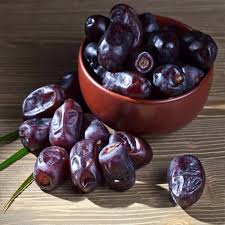
Dates are among the richest fruit sources of potassium, a mineral essential for maintaining heart rhythm, blood pressure, and nerve function.
Potassium helps balance sodium levels in the body, reducing the strain on the cardiovascular system. A diet rich in potassium can help prevent hypertension and stroke, both of which are linked to excessive sodium intake and poor electrolyte balance.
Since dates contain nearly 700 mg of potassium per 100 grams, they are an excellent natural alternative to synthetic supplements. Regular consumption promotes fluid balance, muscle function, and heart health, making dates an essential fruit for those seeking natural nourishment.
6. Magnesium and Calcium: The Dynamic Duo for Bone Health
Among the most vital nutrients in dates are magnesium and calcium, which work together to maintain strong bones and support nerve and muscle function.
Magnesium is responsible for over 300 enzymatic reactions in the human body, including energy production and protein synthesis. Calcium, on the other hand, contributes to bone density and the health of teeth.
A balanced intake of these minerals through natural sources like dates supports bone repair and reduces the risk of osteoporosis with age. Dates also provide phosphorus, another mineral crucial for bone formation and cellular repair.
7. Iron and Copper: Supporting Blood Health and Energy
Iron is another essential nutrient found in dates that plays a key role in the production of red blood cells and hemoglobin. This function ensures oxygen is effectively transported throughout the body, helping prevent fatigue and anemia.
Copper, which is also present in dates, enhances iron absorption and supports the formation of collagen and connective tissues. The combination of these minerals makes dates a natural tonic for improving vitality, especially for those who experience tiredness or weakness due to low iron levels.
Together, iron and copper in dates contribute to healthier blood circulation and improved energy metabolism.

8. Vitamin B Complex: The Brain and Energy Connection
The B vitamins—including B1 (thiamine), B2 (riboflavin), B3 (niacin), and B6 (pyridoxine)—are well represented in dates and play an integral role in maintaining energy balance and brain health.
These vitamins help convert carbohydrates into glucose, ensuring that energy is efficiently produced and utilized. Vitamin B6 also assists in neurotransmitter function, promoting mental clarity, focus, and mood stability.
The synergy of B vitamins in dates makes them particularly beneficial for those under mental stress or physical exertion, as these nutrients are quickly depleted during demanding conditions.
9. Antioxidants: The Natural Shield Against Aging and Disease
Beyond basic nutrients, dates are loaded with antioxidants, including flavonoids, carotenoids, and phenolic acids. These compounds neutralize harmful free radicals in the body, reducing oxidative stress—a major contributor to premature aging and chronic diseases.
Flavonoids are known to support brain function and reduce inflammation, while carotenoids benefit eye health and immunity. Phenolic acids, on the other hand, protect cells from oxidative damage and reduce the risk of cardiovascular disease.
The presence of these antioxidants gives dates an edge over refined sugars or artificial snacks that provide calories but no health protection.
10. Natural Sweetness Without the Guilt
The sweetness of dates makes them a perfect substitute for refined sugar in desserts, smoothies, and baking. Their rich caramel-like flavor adds depth to dishes without relying on processed sweeteners that can cause rapid spikes in blood sugar levels.
Unlike table sugar, dates come with nutrients and fiber that help slow down sugar absorption, preventing energy crashes and promoting metabolic balance. For those looking to cut down on processed sugar while maintaining flavor, dates are an ideal natural alternative.
This nutritional versatility is why many health-conscious consumers are turning to buah kurma (fresh dates) as an everyday pantry essential.
11. Hydration and Electrolyte Balance
Another overlooked aspect of Dates and Nutrition is their contribution to hydration and electrolyte balance. Dates naturally contain essential electrolytes such as potassium, magnesium, and sodium, which help regulate fluid levels in the body—especially in hot climates or after exercise.
They are often consumed during Ramadan for this very reason—dates help replenish nutrients lost during fasting and restore energy quickly without overloading the digestive system.
This ability to provide fast yet balanced hydration makes dates not just a food, but a natural recovery agent.
12. Dates in Modern Diets: A Functional Superfood
With growing awareness about natural and functional foods, dates have become a star ingredient in modern diets. They are now found in energy bars, smoothies, protein balls, and even sauces, reflecting their versatility.
Whether consumed whole, blended into paste, or chopped into salads, dates fit effortlessly into vegan, paleo, and Mediterranean diets.
Their high nutrient content and digestibility also make them suitable for children, athletes, and older adults seeking to improve their nutrition naturally. A single serving of dates daily supports steady energy, improved digestion, and stronger immunity.
This nutritional adaptability makes dates one of the most functional superfoods available today, often sourced from trusted suppliers like kurma bam and kurma tunisia, known for their premium quality and rich taste.
13. Balancing Calories with Benefits
While dates are nutrient-dense, they are also calorie-rich due to their natural sugars. Therefore, portion control is important. Consuming three to five medium dates per day provides the body with ample nutrients and energy without contributing to excess calorie intake.
Balancing dates with a diet rich in proteins, vegetables, and healthy fats ensures maximum benefits while maintaining a healthy weight.
Dates are most effective when used as part of a balanced eating plan rather than a sugary snack replacement alone.
14. Sustainability and Global Significance
The global popularity of dates has led to increased attention on sustainable farming and fair trade practices. Date palms thrive in arid climates and require less water compared to many fruit crops, making them environmentally efficient.
Countries like Saudi Arabia, Tunisia, and Malaysia have invested in sustainable date cultivation to ensure consistent supply and quality. Consumers are also becoming more aware of sourcing ethically grown dates that support local farmers and preserve the environment.
This global movement ensures that the future of date farming aligns with both nutrition and sustainability goals.
15. Conclusion:
In the world of natural foods, few fruits can match the nutritional depth and versatility of dates. From their high fiber and mineral content to their antioxidant richness and natural sweetness, dates offer a complete package for energy, vitality, and long-term health.
The connection between Dates and Nutrition highlights their role as a wholesome food that bridges traditional wisdom with modern dietary science. Whether eaten fresh or dried, dates deliver balanced nourishment that supports the heart, mind, and body.
For anyone seeking to replace processed foods with nutrient-rich natural options, dates stand out as one of nature’s most perfect creations—offering sustained energy, essential vitamins, and minerals in every bite.
Harga kurma Malaysia is influenced by a combination of local production factors, import dynamics, and broader market trends. For both retail and wholesale buyers, understanding what drives these prices is critical for effective planning, procurement, and profitability. While dates are a traditional staple in many households, the market has evolved with changing demand patterns, production constraints, and international trade influences. Suppliers who grasp these drivers can better anticipate seasonal price shifts, adjust sourcing strategies, and maintain competitiveness.
One of the most significant drivers is local production. Malaysia produces a limited volume of dates due to climatic conditions and cultivation cycles. The quality, yield, and timing of the local harvest directly affect supply levels. When local production is strong and consistent, suppliers can maintain stable pricing for wholesale and retail buyers. Conversely, if production is lower due to weather conditions, pests, or other factors, the reduced supply often leads to higher prices of kurma Malaysia. Buyers must monitor production forecasts closely to anticipate potential price fluctuations.
Import volumes also play a critical role. Malaysia imports a significant portion of its dates from countries with larger cultivation capacities. The availability and cost of imported dates are influenced by factors such as exchange rates, transportation costs, tariffs, and international supply conditions. Any disruption in supply chains—such as shipping delays, fuel price increases, or global production shortfalls—can directly impact the final costs of kurma in Malaysia. Wholesale buyers often adjust their orders based on the timing and reliability of imports to maintain competitive pricing.
The quality of both local and imported dates is another determinant. Prices vary significantly between premium and standard grades. High-quality dates with consistent texture, size, and sweetness often command a higher price, reflecting their value to retail consumers and bulk distributors. On the other hand, dates with minor imperfections or smaller sizes may be sold at lower wholesale rates. Suppliers must balance quality and cost to maintain customer satisfaction while managing profitability.
Seasonal demand is a recurring factor in price determination. Demand typically peaks during festive seasons, particularly Ramadan, when consumption of dates increases sharply. During these periods, suppliers face higher pressure to meet both retail and wholesale demand, often leading to price surges. Conversely, during off-peak months, prices may stabilize or decrease slightly as supply exceeds immediate demand. Understanding these seasonal trends helps buyers and suppliers anticipate fluctuations in prices of kurma Malaysia and plan procurement accordingly.
Market competition also influences pricing. Regions with multiple active suppliers tend to have more competitive pricing as wholesalers and distributors vie for bulk buyers. Conversely, in areas with fewer suppliers, pricing may remain firm due to limited competition. Wholesale buyers who explore multiple sources can often secure better rates by leveraging competitive dynamics. This factor is particularly relevant when importing dates, as international suppliers may compete differently based on shipping costs, reputation, and product quality.
Packaging and branding contribute to final pricing as well. Dates offered in premium packaging, including vacuum-sealed packs or gift-ready boxes, command higher prices due to added material and labor costs. Such packaging enhances product appeal in retail environments and supports marketing efforts in both local and international markets. Suppliers often decide pricing strategies based on the packaging format, balancing the perceived value with cost efficiency.
Logistics and storage infrastructure are essential determinants of costs of kurma. Efficient warehousing, cold storage, and transportation help maintain product quality and reduce spoilage, supporting consistent pricing. Suppliers investing in modern logistics often reflect these costs in their wholesale pricing, which subsequently influences retail prices. For buyers, understanding the connection between logistics, storage quality, and pricing is key to evaluating supplier offers.
Currency fluctuations and import tariffs are also crucial. Malaysia sources dates from multiple international markets, and exchange rate variations can affect procurement costs. Additionally, customs duties and import fees can increase the landed cost of imported dates, thereby influencing costs of kurma Malaysia. Wholesale buyers frequently monitor currency trends and tariff regulations to optimize order timing and minimize cost impact.
Consumer expectations impact pricing decisions too. Increasing awareness of health benefits and demand for premium, ethically sourced dates have led suppliers to maintain high quality and invest in certifications. These factors often translate into slightly higher prices, reflecting the product’s value proposition rather than purely production or import costs. Retail buyers perceive well-presented, high-quality dates as worth the investment, supporting stable pricing even during competitive periods.
Local market demand is another driver. Urban centers with higher consumption rates often experience stronger demand, resulting in slightly elevated prices compared to rural areas. Wholesale buyers catering to high-demand regions may factor in distribution costs, storage, and fast turnover when determining competitive pricing for their retail partners. Understanding regional consumption patterns enables suppliers to optimize pricing strategies and inventory management.
Supply chain reliability and flexibility are important considerations. Suppliers with strong relationships with both local farmers and international exporters can negotiate better rates and secure consistent delivery schedules. Such reliability minimizes disruptions, reduces emergency procurement costs, and stabilizes pricing of kurma. Buyers who prioritize suppliers with robust supply chain networks benefit from both quality assurance and predictable pricing.
Economic conditions and global market trends also influence price levels. Rising fuel costs, inflation, and changes in global trade policies affect both production and import costs. Suppliers adjust costs of kurma Malaysia accordingly, reflecting shifts in input costs, transportation, and market demand. Buyers who track macroeconomic indicators can better anticipate price movements and optimize procurement timing.
The role of technology and digital marketplaces has grown significantly. Online platforms allow suppliers to showcase prices transparently and reach a broader audience, influencing market competitiveness. Real-time price visibility encourages competitive pricing and reduces disparities between retail and wholesale markets. Buyers benefit from easier comparison, access to multiple suppliers, and more predictable pricing trends.
Sustainability and ethical sourcing considerations increasingly affect pricing decisions. Consumers and bulk buyers are more likely to choose suppliers who demonstrate responsible farming practices, eco-friendly packaging, and fair labor policies. While these practices may increase costs slightly, they often enhance brand value and justify higher retail prices. Suppliers integrating sustainability into their operations contribute to long-term demand and support stable costs of kurma in Malaysia.
Finally, diversification of product offerings affects overall pricing. Malaysian suppliers provide a variety of date types, ranging from premium varieties to more economical options. Offering multiple grades allows buyers to target different market segments and manage pricing expectations. This strategy supports market expansion, ensures accessibility for various consumers, and enables suppliers to maintain profitability across product lines.
In summary, costs of kurma in Malaysia is determined by a combination of local production, import dynamics, quality standards, seasonal demand, logistics, packaging, and broader market conditions. Wholesale and retail buyers benefit from understanding these factors, as they influence procurement strategies, pricing negotiations, and inventory planning. Suppliers who carefully balance quality, cost, and market expectations are well-positioned to succeed in Malaysia’s competitive dates industry and respond effectively to both domestic and international demand.
The holy month of Ramadan brings a special significance to dates, with demand soaring as Muslims worldwide break their fasts with this nutritious fruit. If you’re in the dates business or planning bulk purchases, understanding the average harga buah kurma sekotak (price of kurma)during this peak season is crucial for smart decision-making. Let’s explore what affects date prices during Ramadan and how you can navigate the market effectively.
Why Date Prices Fluctuate During Ramadan
Ramadan creates a unique economic phenomenon for date sellers. Several factors contribute to price changes during this period. First, demand increases dramatically as dates become a staple for iftar meals. Many families buy in larger quantities than usual, sometimes stocking up for the entire month. This surge in demand naturally pushes prices upward, typically starting to rise about 2-3 weeks before Ramadan begins.
Second, supply chain dynamics change. Importers and wholesalers often prepare months in advance, anticipating the increased demand. Those who secured their stocks early usually get better prices, while last-minute buyers may face premium rates. The type of dates also affects pricing – premium varieties like Ajwa or Medjool see more significant price hikes compared to common varieties.
Average Price Range for Price of Kurma Sekotak
During Ramadan, the price of kurma sekotak can vary widely depending on several factors. For standard cardboard box packaging (typically 500g to 1kg), prices generally fall into these ranges:
Common varieties usually range between 20-50% higher than off-season prices. The increase depends on the specific type, with premium varieties seeing the most significant jumps. Local market dates might see more modest increases compared to imported premium varieties.
Prices tend to follow a predictable pattern throughout Ramadan. They’re highest in the first week when demand peaks, then gradually stabilize. The last few days might see some discounts as sellers try to clear remaining stock before Eid.
Key Factors Affecting Ramadan Date Prices
Several elements influence the final price of kurma sekotak you’ll encounter during Ramadan. Quality remains the primary determinant – dates are graded by size, moisture content, and appearance, with higher grades commanding premium prices. The origin of dates plays a significant role too, with certain regions known for superior quality that justifies higher costs.
Packaging affects price points considerably. Simple cardboard boxes are most economical, while decorative gift boxes or premium packaging can double the price. The timing of purchase is crucial – buying well before Ramadan or in the last few days can yield better deals than peak purchasing times.
Market location creates price variations too. Traditional markets might offer better prices than supermarkets, while online platforms could provide competitive rates but with shipping costs to consider.
Smart Buying Strategies for Ramadan Dates
For businesses and bulk buyers, several strategies can help secure better price of kurma sekotak during this busy season. Early purchasing, ideally 2-3 months before Ramadan, allows you to lock in better prices before the seasonal surge. Building relationships with trusted suppliers can lead to preferential pricing and first access to quality stock.
Consider buying in larger quantities if storage allows, as wholesale rates per box decrease with volume purchases. Comparing multiple suppliers is essential – prices can vary significantly between different wholesalers for the same product quality.
Exploring alternative varieties can offer savings. While premium dates are popular, some mid-range options provide excellent quality at more affordable prices. For retailers, offering multiple price points can cater to different customer segments.
Understanding Price Patterns Throughout Ramadan
Date prices follow a distinct pattern during the holy month. In the weeks leading up to Ramadan, prices begin their gradual climb as demand increases. The first week typically sees the highest prices, with many families making initial purchases.
Mid-Ramadan often brings slight price stabilization as the initial rush subsides. The final week can go either way – some sellers maintain high prices anticipating last-minute buyers, while others begin discounting to clear inventory before Eid.
The day before Eid often sees interesting dynamics. Some sellers offer discounts on remaining stock, while others might increase prices for last-minute shoppers. Understanding these patterns helps in timing purchases optimally.
Quality Considerations During High Season
With increased demand, quality control becomes even more important. Some sellers might mix lower quality dates into boxes or compromise on storage conditions to meet demand. Always inspect samples before large purchases, checking for consistent size, proper moisture content, and absence of fermentation.
Proper storage is crucial if buying in bulk before Ramadan. Dates should be kept in cool, dry conditions to maintain freshness until sale. For premium varieties, consider vacuum-sealed packaging to extend shelf life without refrigeration.
Future Price Trends and Market Insights
Looking ahead, several factors may influence future Ramadan date prices. Climate change impacts on date-producing regions could affect supply and quality. Changing consumer preferences toward organic or specialty dates may create new pricing tiers.
Global logistics costs continue to play a role, especially for imported varieties. The growth of e-commerce in the dates market may lead to more price transparency but also new competitive dynamics.
Key Takeaways
- Ramadan date prices typically run 20-50% higher than off-season rates
- Premium varieties see the most significant price increases during peak demand
- Early purchasing and bulk buying can secure better pricing of kurma sekotak
- Prices usually peak in Ramadan’s first week then gradually stabilize
- Quality inspection remains crucial during high-demand periods
- Multiple purchasing channels offer different price advantages
- Understanding seasonal price patterns helps in timing purchases optimally
Introduction
Kurma has always held an essential place in both cultural tradition and modern consumer markets. Among the many varieties of dates available today, one specific type has consistently earned the favor of wholesalers and bulk buyers: Kurma Mariami AA. Known for its attractive appearance, balanced texture, and long shelf life, this variety meets the complex needs of those handling high-volume distribution.
Whether supplying to retailers, supermarkets, or food processors, selecting a product that performs well across multiple metrics is vital. Kurma Mariami AA checks all the boxes—affordability, durability, taste, and consumer appeal. It’s no surprise that this particular date continues to grow in popularity across local and international markets.
In this article, we’ll explore the standout features that make Kurma Mariami AA a top-tier choice for wholesale and bulk buyers, and how understanding these benefits can elevate a supplier’s market position.
1. Consistent Size and Appearance
One of the major challenges in bulk procurement is inconsistency in product size and quality. Kurma Mariami AA addresses this problem by offering a relatively uniform shape and size. The dates are medium to large, slightly elongated, and have a glossy, dark brown skin that appeals visually to end consumers.
This consistency not only boosts consumer trust but also simplifies packaging and display. For wholesalers, it means fewer complaints and smoother logistics, whether they’re supplying retail chains or exporters.
2. Semi-Dry Texture Enhances Shelf Life
Unlike fresh dates, which require refrigeration and quick turnaround, Kurma Mariami AA has a semi-dry texture that extends its shelf life significantly. This feature is a logistical advantage for wholesalers who often deal with long storage times and shipping delays.
Its slightly chewy flesh holds up well during transportation, reducing spoilage and loss. Retailers and distributors benefit from longer selling windows and reduced dependency on temperature-controlled storage.
3. Excellent Taste with Broad Appeal
Flavor is where Kurma Mariami AA truly shines. These dates have a balanced taste profile—mildly sweet without being overly sugary, and with a rich caramel-like undertone that appeals to a wide range of consumers.
This makes them suitable not only for direct consumption but also for use in baked goods, energy bars, and natural sweetener blends. Wholesalers working with diverse buyers appreciate the versatility and consumer-friendly taste.
4. Affordability Without Compromising Quality
Cost is a central factor in wholesale and bulk buying decisions. Kurma Mariami AA is priced competitively while still offering a high-quality product. This balance of value and affordability allows wholesalers to meet different market segments, from budget-conscious retailers to high-end boutique stores.
In many cases, this variety offers a higher profit margin compared to more premium or perishable dates. The price-to-quality ratio makes it a strategic investment for bulk buyers seeking stable returns.
5. Easy to Handle and Package
Another overlooked but important advantage of Kurma Mariami AA is its manageable weight and texture. Its semi-dry nature means it doesn’t stick together excessively, making it easy to handle during weighing, packaging, and display.
This efficiency reduces labor costs and packaging issues for distributors, especially when packing into smaller retail units. It’s also a favorite in automation lines due to its low moisture content, which helps avoid clumping.
6. Strong Demand in Domestic and Export Markets
Due to its recognizable quality and wide appeal, Kurma Mariami AA has become a staple in many markets worldwide. For wholesalers looking to expand beyond domestic sales, this variety is often already known and requested in international markets.
Its proven demand gives suppliers a competitive edge. Exporters especially benefit from this built-in awareness, allowing them to penetrate new markets without needing to invest heavily in product education.
7. Aligns with Festive and Seasonal Demand
During festive seasons such as Ramadan or year-end holidays, dates become a high-demand commodity. Kurma Mariami AA fits perfectly into this seasonal demand due to its gifting-friendly appearance, long shelf life, and affordability in bulk quantities.
Bulk buyers often find that this variety helps meet large-scale seasonal orders efficiently while maintaining a consistent quality that builds brand trust over time.
8. Versatility in End-Use Applications
From supermarkets and traditional grocers to industrial food manufacturers and snack companies, the end-use possibilities for Kurma Mariami AA are diverse. It can be sold loose, packed into gift boxes, processed into pastes, or used as a functional ingredient.
This flexibility allows wholesalers to work with multiple client types and adapt to market trends quickly. It’s a key reason why this variety maintains strong demand throughout the year.
9. Minimal Waste, Maximum Return
Since Kurma Mariami AA generally arrives in good condition due to its sturdy texture and packaging resilience, there’s less product waste. For wholesalers and bulk buyers, this translates into better inventory turnover and less loss in value.
It also improves customer satisfaction, as retailers and end-users receive high-quality products with fewer defects or spoilage incidents.
10. A Trusted Option for Brand Building
For businesses looking to build a strong, reliable brand image in the dates market, Kurma Mariami AA offers a solid foundation. It reflects well on suppliers who consistently deliver quality and performance, enabling long-term partnerships with retail clients.
This reputation-based advantage grows over time, giving wholesalers a dependable product to center their offerings around.
Conclusion
Wholesalers and bulk buyers operate in a competitive, logistics-heavy environment. Choosing a product like Kurma Mariami AA helps reduce complications while enhancing the quality of what they offer to downstream partners. It is affordable, durable, delicious, and visually appealing—making it one of the smartest choices in the kurma market today.
By aligning with a variety like this, wholesale businesses can build trust, improve margins, and adapt to market demands with greater flexibility. In a world where consistency and reliability are key to long-term success, Kurma Mariami AA delivers on every front.
Introduction
The demand for high-quality kurma surges every Ramadan. For dates suppliers, sourcing from trusted sellers with fresh and consistent stock is crucial. The question many face is: Where can I find trusted sellers that jual kurma near me with fresh stock during Ramadan?
In this listicle, we’ll explore ten practical and strategic ways for suppliers to identify and connect with reputable kurma sellers in their area—ensuring not just timely delivery but also exceptional product quality. This guide is especially useful for wholesalers, distributors, and retailers aiming to scale their kurma business.
1. Visit Local Agricultural Markets (Pasar Borong)
One of the most traditional yet effective methods is visiting local agricultural markets or wholesale produce centers. These markets usually host a variety of fruit suppliers, including seasonal kurma sellers, particularly in the months leading up to Ramadan.
Look for sellers who:
- Offer sampling of products
- Maintain hygienic packaging and storage
- Provide transparent pricing
Regular interactions here can help you build rapport with reliable kurma vendors and gain first-hand insight into product quality.
2. Use Business Listing Platforms and Directories
Online directories are goldmines for finding legitimate kurma sellers in your vicinity. Platforms such as online B2B directories, trade portals, and Google Maps listings can help narrow down your search by location and category.
Key filters to use:
- Product category: “Dates” or “Kurma”
- Location radius
- Verified business profiles
You can assess credibility through reviews, pictures of product stock, and how long the business has been operating.
3. Network with Fellow Suppliers and Distributors
Word of mouth remains a powerful tool in the supply chain industry. Engage in conversations with fellow dates importers, wholesalers, or small retailers to ask for referrals to reputable kurma sellers.
Benefits of networking include:
- Access to vetted suppliers
- Honest feedback on seller performance
- Potential for joint bulk purchasing
Networking events or local distributor associations can be a reliable channel for finding those who sell kurma near me and maintain good quality standards.
4. Check Social Media Marketplace Listings
Social platforms like Facebook Marketplace, Instagram, and even WhatsApp groups have become hotspots for B2B and B2C transactions. Many kurma sellers promote their stock via live sessions, stories, or marketplace listings, especially during Ramadan.
Tips for evaluation:
- Review seller profiles and ratings
- Request to see current stock images/videos
- Confirm business registration or physical store location
Direct messaging allows you to negotiate deals and request samples before committing to a large order.
5. Attend Pre-Ramadan Wholesale Exhibitions or Trade Fairs
Pre-Ramadan trade shows are increasingly popular in urban centers and offer a great opportunity for dates suppliers to connect with verified sellers. These events showcase a variety of kurma grades, packaging types, and pricing tiers.
Advantages of attending:
- Meet face-to-face with multiple sellers
- Sample products on the spot
- Discuss bulk order options with potential for discounts
These exhibitions are often attended by international and local kurma wholesalers, making them ideal for expanding your sourcing network.
6. Collaborate with Halal Grocery Stores
Many halal or Middle Eastern grocery stores work closely with trusted kurma wholesalers. Building a relationship with these retailers can offer leads to dependable suppliers they trust.
How to approach:
- Offer a potential partnership or inquiry as a fellow supplier
- Ask about their procurement channels
- Suggest joint sourcing for better rates
These stores may not sell kurma at the wholesale level but can certainly connect you to their bulk supply sources.
7. Leverage E-Commerce B2B Platforms
For larger-scale suppliers, B2B e-commerce platforms are a convenient tool to discover kurma sellers nationwide. These platforms often list:
- Supplier certifications
- Product origin
- Price per kilogram or per ton
- Minimum order quantity (MOQ)
Popular platforms often verify vendors before listing, reducing the risk of fraud. Look for user reviews, sample policies, and detailed logistics support.
Ensure the keyword jual kurma near me is part of your search terms to localize results and identify sellers who are logistically closer.
8. Join Industry-Specific WhatsApp or Telegram Groups
Many dates sellers, importers, and wholesalers operate via chat groups to share deals, surplus stock announcements, or logistics updates. Joining these niche groups gives you an insider’s view of current market trends and access to competitive pricing.
How to find these groups:
- Ask industry peers
- Search online forums or business Facebook groups
- Attend webinars or online trade events and request invites
Always verify new sellers before making purchases, especially for bulk orders.
9. Look for Certifications and Product Traceability
Trusted kurma sellers typically hold proper documentation to assure quality. As a supplier, ask potential sellers for:
- Halal certification
- Country of origin documentation
- Product grade (e.g., A, B, Premium)
Also, inquire about their storage and transportation methods. High-quality kurma deteriorates quickly if not stored properly. A trustworthy seller will be transparent about their supply chain process.
10. Evaluate Logistics, Return Policies, and After-Sales Support
Reliable kurma sellers offer clarity on delivery timelines, especially during Ramadan when demand peaks. Before closing a deal, ask about:
- Lead times
- Return policies for damaged or expired stock
- Post-sale communication and support
Sellers who are punctual and responsive are more likely to help you maintain good stock turnover and customer satisfaction.
Suppliers should also ask whether the seller has the ability to scale up volume quickly in case of increased demand mid-season.
Bonus Tips for Vetting Kurma Sellers
To ensure that the seller meets your business expectations, consider these vetting steps:
A. Request Samples First
Never commit to a large order without seeing and sampling the product. Sample testing lets you evaluate taste, texture, packaging, and size consistency.
B. Start Small
Begin with a smaller order before scaling. This will let you assess the reliability and professionalism of the seller.
C. Use Purchase Contracts
Secure your transaction with formal contracts, including terms for pricing, delivery, and returns.
Conclusion
Finding reliable kurma sellers near you, especially during Ramadan, requires a blend of traditional networking, modern technology, and careful evaluation. Whether you’re a seasoned distributor or a newcomer in the dates industry, these ten strategies can guide you to trustworthy suppliers offering fresh, high-quality stock.
Remember, the question isn’t just “Where can I find trusted sellers that sell kurma near me with fresh stock during Ramadan?” — it’s about finding partners who can support your business with consistency, integrity, and quality.
Stay proactive, ask the right questions, and always prioritize product traceability and after-sales support.
Introduction
In the world of premium dates, Kurma Tangkai stands out because it is often sold still attached to the branch. This unique presentation raises questions: Does keeping dates on the stem preserve their quality? Does it enhance flavor? And why do suppliers prefer this method?
For wholesalers and retailers, understanding the advantages of this kurma can help in sourcing the best products for customers. This article explores the reasons behind this practice and whether it truly makes a difference in taste and freshness.
What is Kurma Tangkai?
Kurma Tangkai refers to dates that are sold while still attached to their original branch or stalk. Unlike loose dates, which are separated after harvesting, these remain intact until they reach the consumer. This method is common with premium varieties, as it signals superior handling and freshness.
Why is Kurma Tangkai Sold Still Attached to the Branch?
1. Ensures Maximum Freshness
When dates remain on the branch, they retain moisture better. The natural stem acts as a protective barrier, slowing down dehydration. This results in a softer, juicier texture compared to dates that are separated early.
2. Preserves Natural Nutrients
Dates detached too early can lose some of their nutritional value. Tangkai maintains higher levels of vitamins and minerals because the branch continues to supply small amounts of nutrients even after harvesting.
3. Enhances Shelf Life
Surprisingly, keeping dates on the branch can extend their shelf life. The stem helps regulate moisture, preventing the fruit from becoming too dry or too sticky. This makes Kurma Tangkai ideal for long-distance shipping and storage.
4. Sign of Premium Quality
Suppliers and consumers associate branch-attached dates with higher quality. Since only the best dates are left on the stem for sale, this method acts as a mark of authenticity and superior handling.
5. Better Flavor Retention
The connection to the branch helps preserve the date’s natural sugars and flavor compounds. Kurma Tangkai often has a richer, more balanced taste compared to prematurely separated dates.
Does Kurma Tangkai Taste Different from Loose Dates?
Many buyers report that Kurma Tangkai has a more intense and natural sweetness. Here’s why:
- Slower Ripening Process – Staying on the branch allows dates to mature more evenly.
- Reduced Oxidation – The stem minimizes exposure to air, preventing flavor degradation.
- Natural Sugars Stay Intact – Less handling means sugars aren’t disrupted, leading to a purer taste.
Loose dates, while still delicious, may lose some of their complexity due to early separation and handling.
How Does This Affect Suppliers and Retailers?
For bulk buyers, Kurma Tangkai offers several advantages:
- Higher Perceived Value – Consumers are willing to pay more for branch-attached dates.
- Longer Storage Potential – Reduced spoilage means less waste.
- Stronger Market Appeal – These dates attract health-conscious and premium buyers.
However, suppliers should consider:
- Higher Shipping Costs – The extra weight of branches may increase logistics expenses.
- Careful Handling Required – The stems must remain intact to maintain quality.
Where to Source the Best Kurma Tangkai
For suppliers looking to stock Kurma Tangkai, consider:
- Direct Farm Partnerships – Ensures the freshest, minimally handled dates.
- Specialized Importers – Look for suppliers with expertise in premium date varieties.
- Trade Exhibitions – A great way to inspect quality before bulk purchasing.
- Certified Online B2B Platforms – Verified sellers often provide lab-tested Kurma Tangkai.
Key Takeaways
- Kurma Tangkai is sold on the branch to preserve freshness, flavor, and nutrients.
- These dates often taste richer and have a longer shelf life than loose dates.
- The branch acts as a natural protector against dehydration and oxidation.
- Suppliers benefit from higher perceived value and customer demand.
- Proper sourcing ensures the best quality for resale.
Dates come in many varieties, but none command as much premium pricing as Ajwa. If you’re in the dates supply business, understanding why kurma Ajwa harga (Ajwa dates price) remains consistently higher than other types can help you better market this prized variety. This article explores the key factors driving Ajwa dates’ premium pricing.
1. Limited Geographical Production
Ajwa dates grow exclusively in a specific region, making their supply naturally restricted. Unlike more common varieties that are mass-produced across multiple countries, Ajwa dates have:
- Strict growing conditions – They thrive only in certain climates.
- Controlled cultivation – Limited farms mean limited output.
- Higher import costs – Transporting from exclusive regions adds expenses.
This scarcity directly impacts kurma Ajwa harga (Ajwa dates price), keeping demand high and supply low.
2. Labor-Intensive Harvesting & Processing
Ajwa dates require meticulous care, increasing production costs:
- Hand-picked harvesting – Each date is carefully selected to avoid damage.
- Extended drying process – Natural sun-drying takes longer than machine processing.
- Strict quality sorting – Only the best dates make it to market.
These labor-driven steps justify the higher price compared to mechanically harvested varieties.
3. Religious & Cultural Significance
Ajwa dates hold special value in certain cultures, further elevating demand:
- Historical importance – They are mentioned in ancient texts, adding reverence.
- Festive demand spikes – Purchases surge during religious occasions.
- Gifting preference – Many consider them a premium gift item.
This cultural weight allows suppliers to maintain higher kurma Ajwa harga (Ajwa dates price).
4. Health Benefits & Nutritional Superiority
Ajwa dates are prized for their unique health properties:
- Rich in antioxidants – More than many other date varieties.
- Natural remedy uses – Traditionally consumed for wellness benefits.
- Lower glycemic index – Preferred by health-conscious buyers.
These nutritional advantages make them a premium product in the health food market.
5. Market Perception & Branding
Ajwa dates benefit from strong market positioning:
- Luxury status – Often marketed as a gourmet or elite product.
- Certified authenticity – Buyers pay more for verified Ajwa dates.
- Exclusive packaging – Often sold in premium boxes for gifting.
This branding reinforces their higher price point.
How Suppliers Can Leverage Ajwa Dates’ Premium Pricing
Understanding these factors helps date suppliers:
- Educate customers – Explain why Ajwa dates cost more.
- Target niche markets – Focus on health, religious, or gifting segments.
- Source strategically – Work directly with trusted farms to reduce costs.
Conclusion
The kurma Ajwa harga (Ajwa dates price) stays high due to limited supply, labor-intensive production, cultural significance, and superior health benefits. For suppliers, this makes Ajwa dates a high-margin product worth including in their inventory.
Key Takeaways
- Ajwa dates grow in limited regions, restricting supply.
- Hand-harvesting and extended processing increase costs.
- Cultural and health factors drive premium demand.
- Strategic sourcing and marketing maximize profitability.