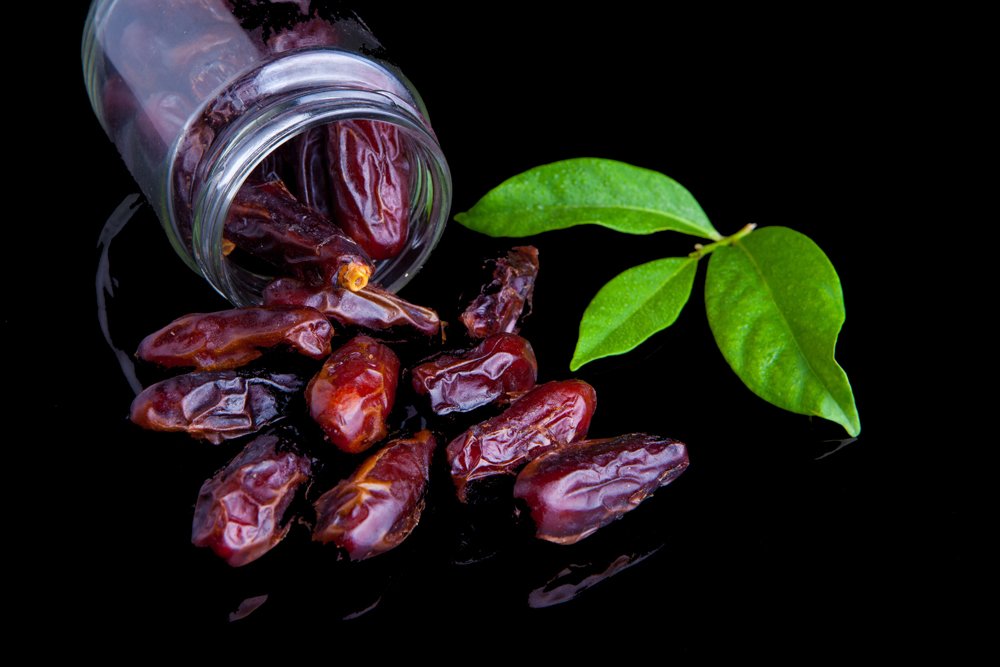
Mazafati Dates Supplier in Malaysia

PEMBORONG KURMA ONLINE MALAYSIA
Mazafati dates, the soft date out of Bam
Mazafati dates are also sold as Bam dates, after the city they come from. They sit at the soft, dark, high-moisture end of the date family, and that is mostly what people buy them for: a fruit you can eat straight out of the box without it fighting back.
Almost all of the crop grows in southern Iran, around Bam in Kerman province. The heat there is severe, the air is dry, and the water arrives through underground channels fed by the mountains behind the city. Date palms do well in exactly those conditions, which is why the region has grown them for generations.
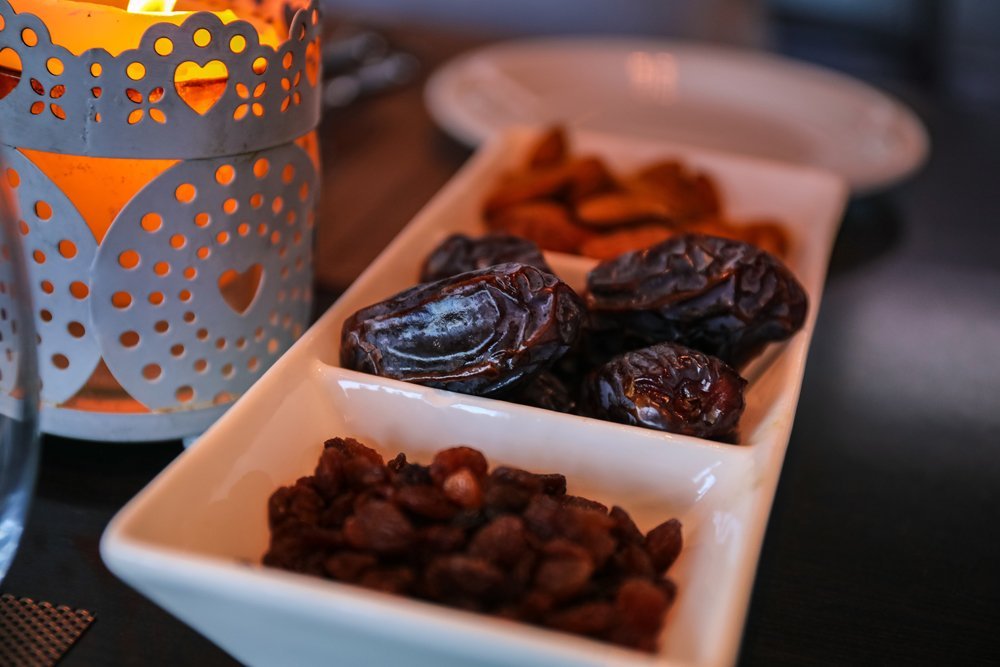
What Mazafati dates are used for
Nutritionally they carry fibre, potassium, magnesium and antioxidants. That is where the quick lift in energy comes from, and it is the same reason they are eaten to keep digestion moving.
The sweetness does real work in a kitchen. It stands in for refined sugar in baking, in a smoothie, or stirred through oatmeal in the morning, and the flavour it leaves is closer to caramel than to plain sugar.
Dates also carry weight beyond the plate. In Iran, Mazafati is tied closely enough to Bam that a box of it counts as a proper gift, and here the same boxes go out at weddings, at Raya, and when calling on a house for the first time.
How Mazafati dates taste
Four things come up almost every time someone describes the flavour.
A caramel sweetness
Bite one and the sweetness reads as caramel rather than sugar. The flesh gives way straight away, and the taste hangs around for a moment after the date is gone.
Honey and molasses underneath
Under the sweetness there is something closer to honey, and behind that a darker molasses note. It is what keeps the flavour from going flat, and it is how people who eat a lot of dates can pick a Mazafati out blind.
The texture
The texture is smooth and wet rather than chewy, which is the clearest difference between a Mazafati and a Medjool or a Safawi. There is enough moisture in the flesh that a date will mark the paper it has been sitting on.
Sweet, but not cloying
They are sweet, no argument, but a faint acidity sits behind it and stops the whole thing turning sickly. That balance is why they hold up in savoury cooking as readily as in desserts.
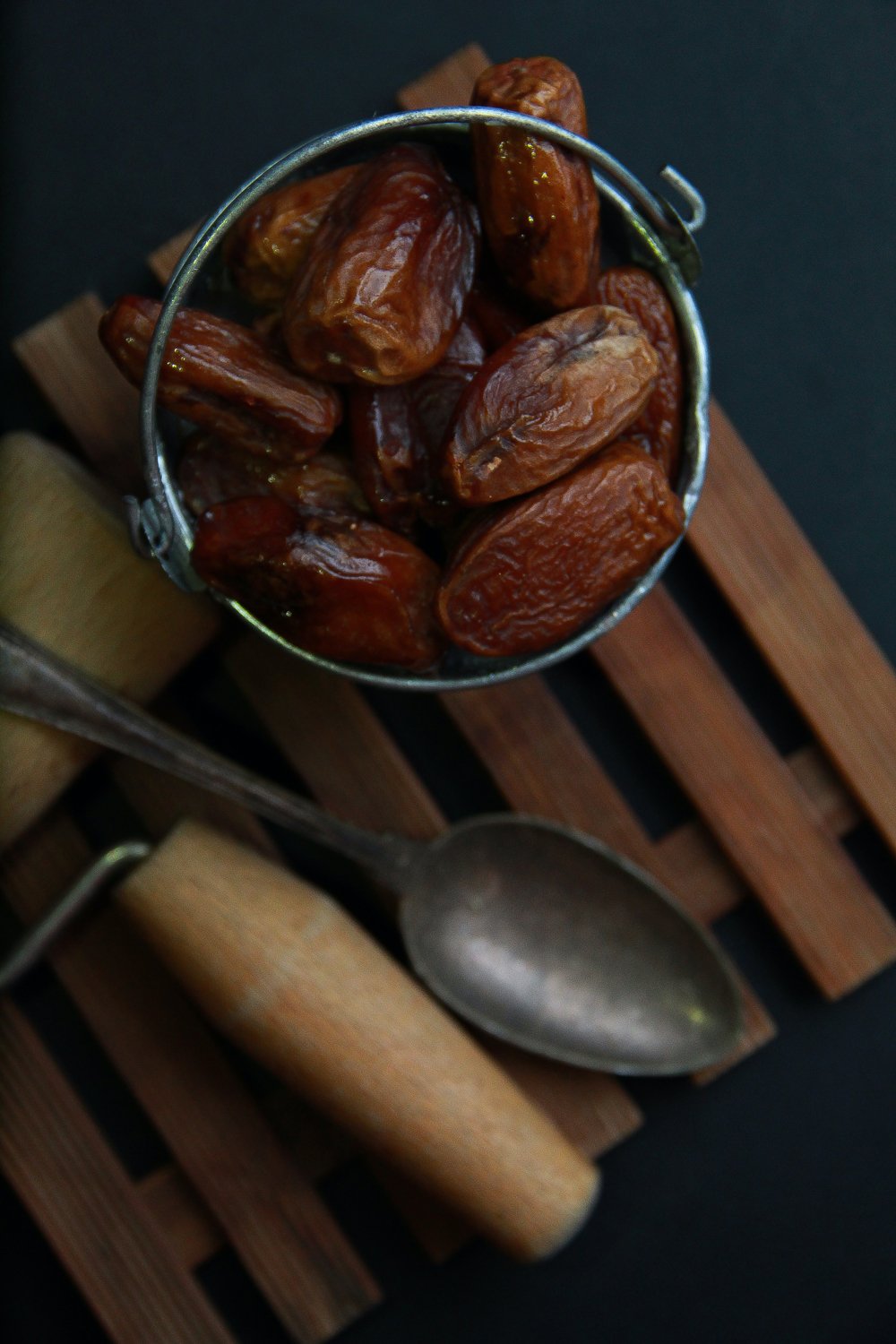
Cooking with Mazafati dates
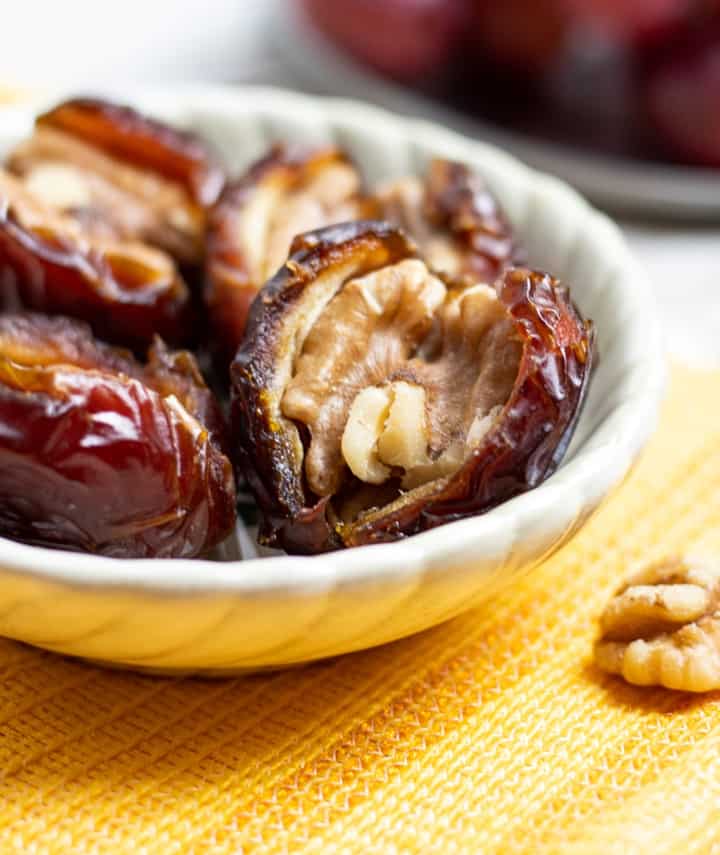
Most of the time they get eaten straight out of the box, which is fair enough. To stretch a box further, put them on a plate with walnuts and a hard cheese. That is how they are served in Iran, and the salt cuts the sweetness.
In baking they behave like a wet sweetener. Chopped into cakes, cookies, puddings or kuih they add sweetness and keep the crumb from drying out, so the sugar in the recipe can come down.
Savoury cooking is where people forget to use them. A few chopped into a salad, a tagine or a rice pilaf give the dish something sweet to push against the salt and the spice.
What sets Mazafati dates apart from other varieties
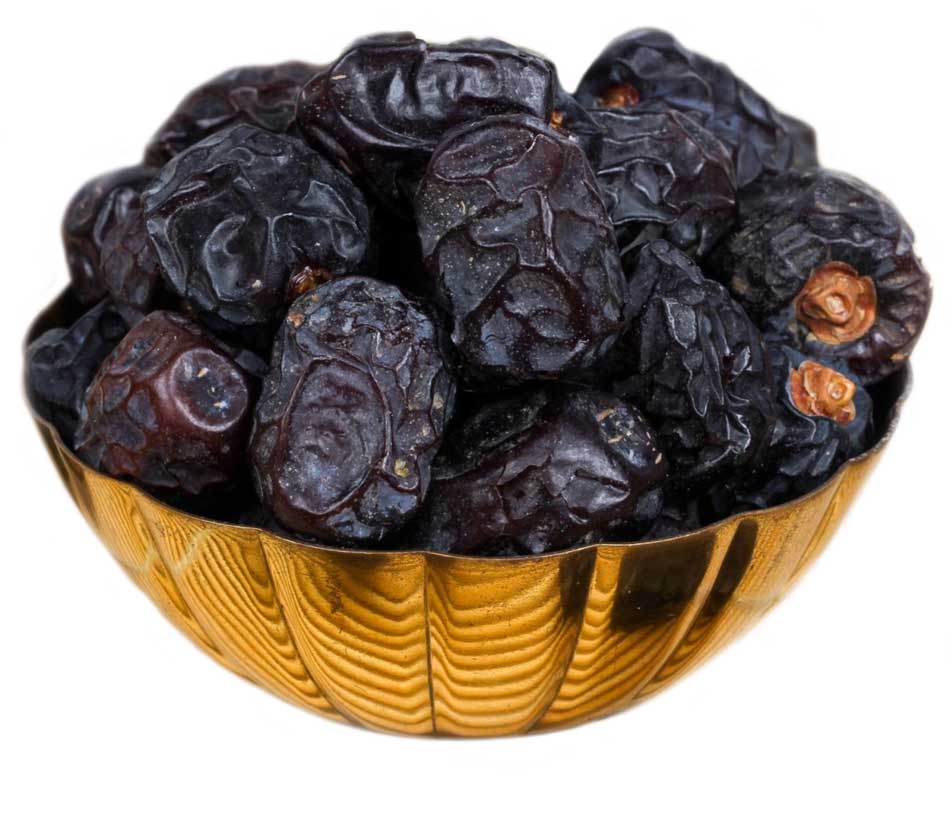
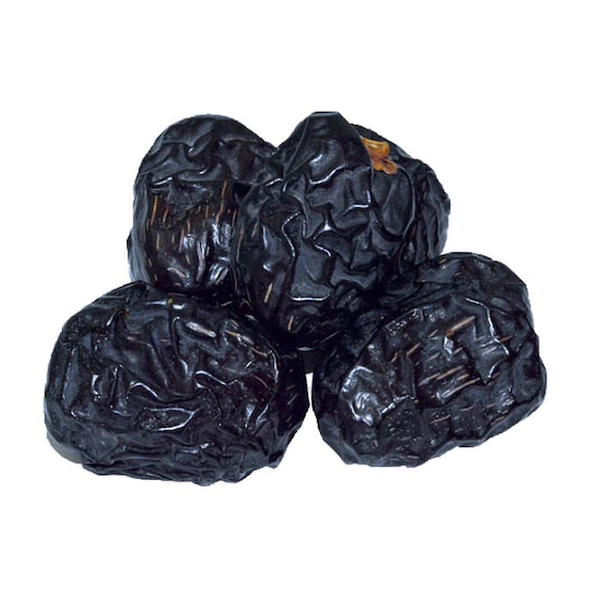
The look gives it away first. A ripe Mazafati is medium-sized and dark brown going on black, the skin slightly wrinkled, often with a thin natural bloom sitting on the surface.
Shelf life is shorter than most varieties, and that is the trade-off for the softness. A high-moisture date perishes faster than a dry one, so it wants to be kept cold and eaten while it is still soft rather than left in a cupboard for a year.
The harvest window is narrow. The crop comes in from late summer into early autumn, usually around September, and the fruit has to be picked at the right point or the flavour and the texture are simply not there. That short window is a good part of why supply tightens later in the year.
Growing conditions are just as specific. Mazafati wants the severe heat, the low humidity and the underground water of southern Iran, which is why the variety has never really travelled as a crop even though the fruit travels everywhere.
Where Mazafati dates are grown
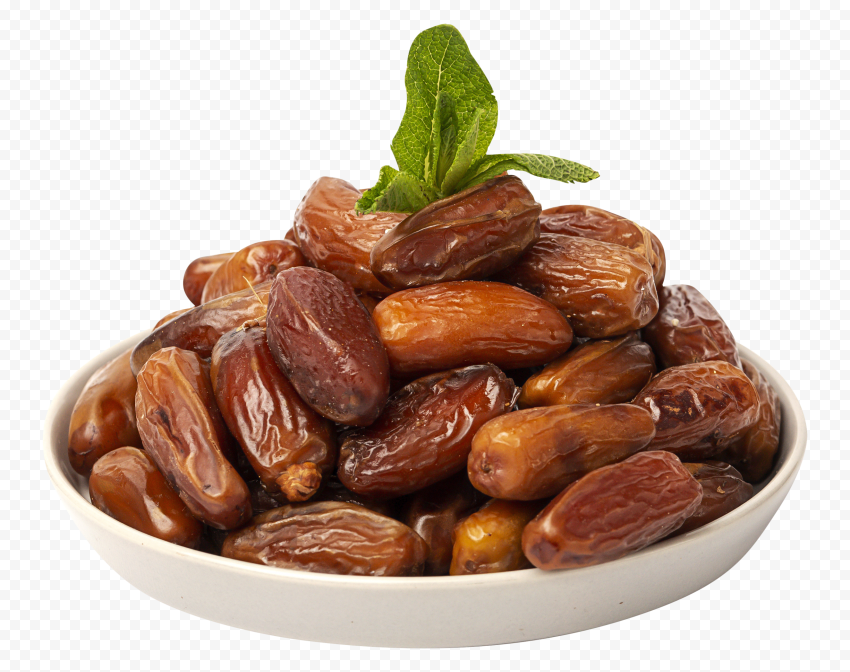
Bam sits in Kerman province, in the south-east of Iran, and that is where most Mazafati still comes from. Hot dry summers, cool winters, water arriving from underground: the combination suits date palms about as well as anywhere on earth, and the city has been growing them for a very long time.
The groves run in long straight rows and are still worked much the way they always were. Picking and grading is done by hand, which is slower than machinery and is also the reason a good batch turns up whole instead of bruised.
Export is recent by comparison. Mazafati now goes out to buyers across the Gulf, South-East Asia and Europe, Malaysia among them, and the orders climb steeply in the weeks before Ramadan.
Buying Mazafati dates in Malaysia
We supply Mazafati dates in Malaysia by the box and by the carton, brought in from Bam. Send the quantity you need on WhatsApp and we will come back with a price and with what is actually in the current batch, because the soft varieties move fast and the answer changes month to month.
If you have not bought this one before, start with a small pack. Mazafati is far softer and far sweeter than a Medjool, and that is worth knowing before a shop commits to a carton of it.
Storage is the part buyers most often get wrong here. Malaysian humidity works against a wet date: an opened box left on a counter goes sticky inside a week, and the surface can throw a white bloom of crystallised sugar. That bloom is harmless and it is not mould, but it does tell you the box has been sitting somewhere warm. Keep the dates sealed in the fridge and they stay soft for months. Bring out only what will be eaten, and let it sit for an hour so the flavour comes back before serving.