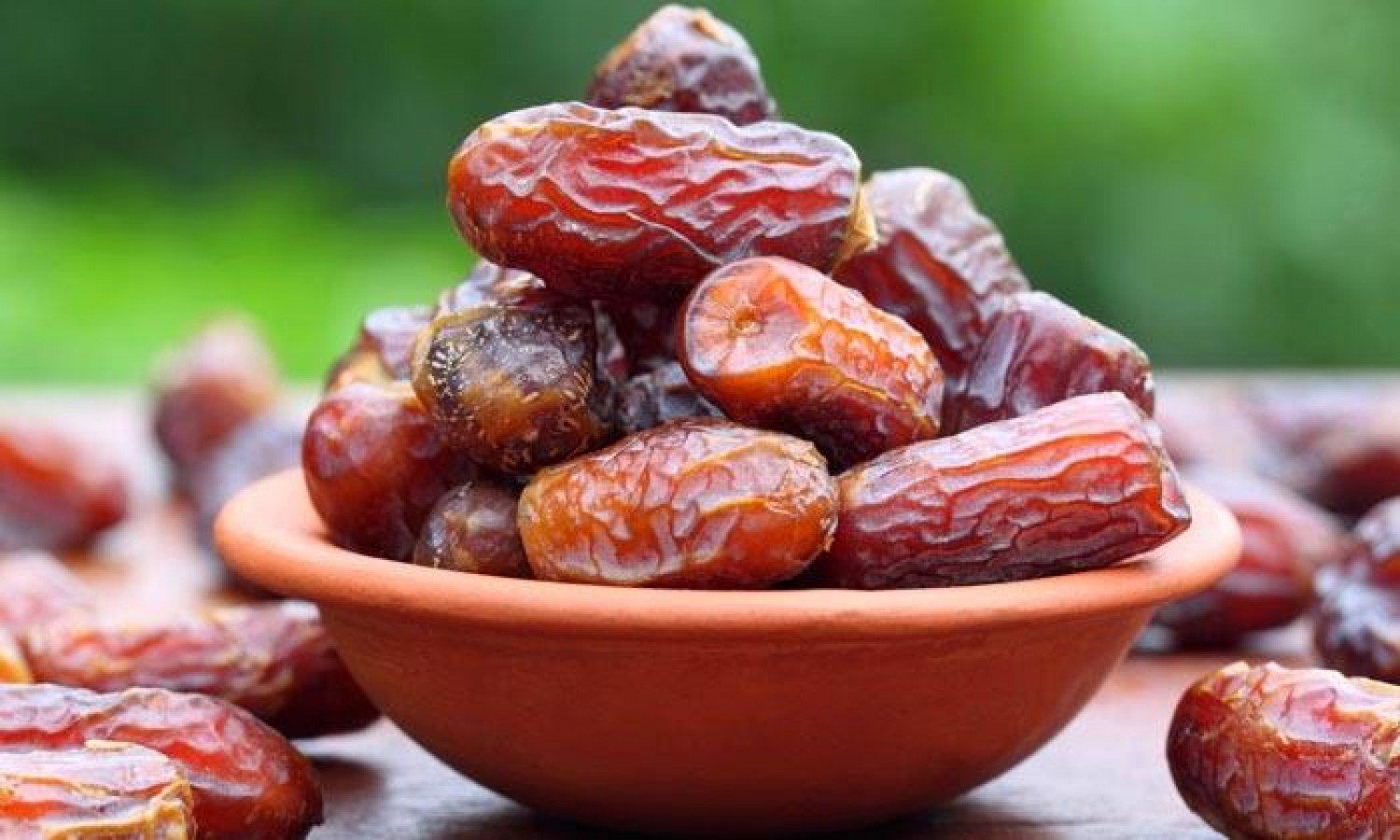
Dates Supplier Malaysia: Dates Cultivation and Consumption
Introduction
Dates have a history that runs thousands of years deep, cultivated and eaten across civilisations long before anyone shipped them to Malaysia. This piece traces where dates cultivation started, how it spread, and where a dates supplier Malaysia fits into that chain today.
The origins of dates
Dates, scientifically Phoenix dactylifera, are believed to have originated in the Middle East, in what is now Iraq and Iran. The cultivation of dates traces back over 5,000 years to ancient Mesopotamia, where the fruit was a dietary staple.
Significance in ancient civilisations
Dates were a staple food across the Fertile Crescent — modern-day Iraq, Iran and Egypt. Ancient Egyptian records reference dates in both everyday meals and religious ritual; the fruit also turns up in old texts as a symbol tied to fertility and abundance. Those are historical associations, part of how the fruit was regarded thousands of years ago, not claims about what a date does today.
Spread and cultivation
As civilisation moved, so did the date palm. The Phoenicians and Greeks carried cultivation across the Mediterranean into North Africa and Spain. Arab traders later brought it to Morocco, Tunisia and Saudi Arabia. Today dates are grown across a much wider map, Malaysia included — though Malaysia’s supply comes mostly through import rather than local palm cultivation, given the climate.
The role of dates suppliers in Malaysia
Malaysia has built a reputable position as a dates supplier rather than a growing region. Malaysian suppliers handle providing high-quality dates to both local buyers and export markets, managing storage and handling conditions so the fruit arrives fresh rather than dried out or damaged in transit.
What’s actually in a date
A plain look at what the fruit contains, without the health-claim framing:
| Component | What’s present |
|---|---|
| Vitamins, minerals, fibre | Dates carry a meaningful amount of dietary fibre alongside potassium, magnesium and small amounts of B vitamins. |
| Natural sugars | Mostly glucose and fructose — the reason dates taste as sweet as they do, and why a handful goes a long way. |
| Fibre content | Higher fibre than most fresh fruit gram-for-gram, bound up in the fruit’s structure rather than added. |
| Potassium | Cholesterol-free, and one of the higher-potassium fruits available. |
| Antioxidant compounds | Contains plant compounds such as flavonoids and phenolic acids, the same broad families found in tea, berries and many vegetables. |
Conclusion
Dates cultivation runs from ancient Mesopotamia to a modern Malaysian supply chain built on import, storage and distribution rather than local farming. Whatever role dates play in your diet is a personal call — this history and composition rundown is here to inform that, not to prescribe it.